


The smartest birds you can keep as pets are the African grey parrot, macaws such as the hyacinth macaw, cockatoos, budgerigars (budgies) and conures. All five can learn words, tricks or problem-solving skills, but they differ a lot in size, noise, lifespan and how much attention they need every day.
Clever birds make rewarding pets, but intelligence comes with a cost: a smart bird gets bored quickly, and a bored parrot can become noisy or destructive. Use the list below to match a bird to your home, time and budget.
Smartest pet birds: quick facts
| Bird | Size | Lifespan (captivity) | Best for |
|---|---|---|---|
| African grey parrot | Medium | Long-lived | Experienced owners |
| Hyacinth macaw | About 1 m | 50+ years | Experts with big spaces |
| Cockatoos | Medium to large | Very long (palm cockatoo: 56 years recorded) | Experienced owners |
| Budgerigar | About 18 cm (wild) | 5 to 8 years, sometimes more | Beginners |
| Sun conure | About 30 cm | 15 to 30 years | Active households |
Top 5 smartest birds you can keep as pets
1. African grey parrot
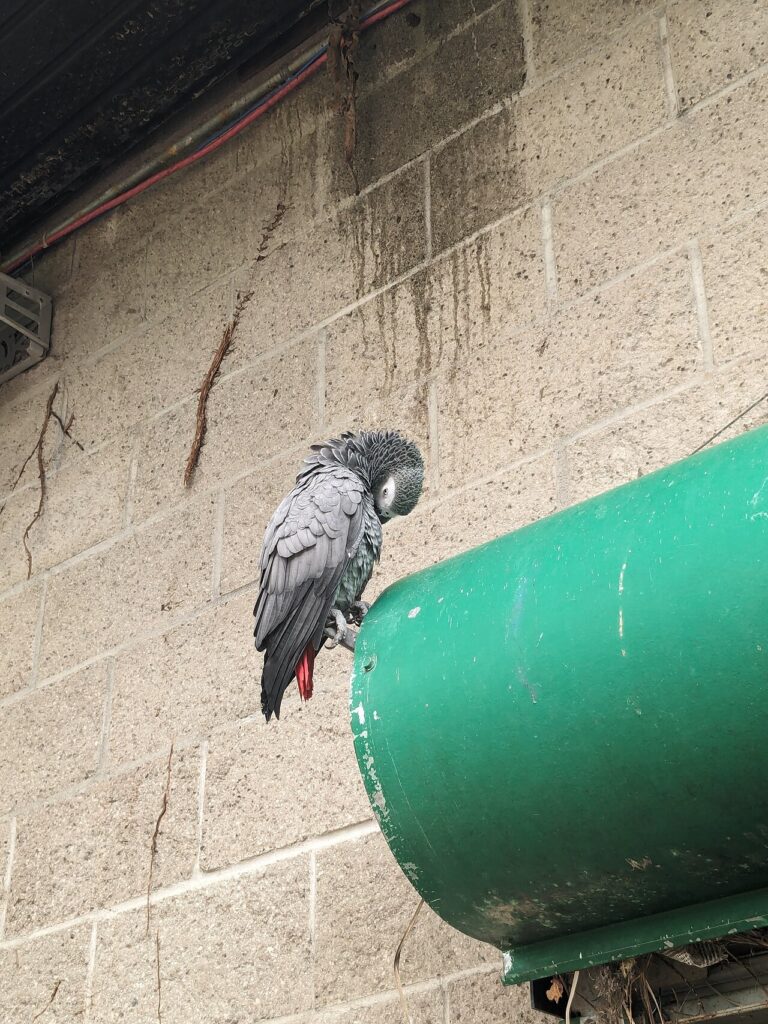
The African grey is the most studied pet bird for intelligence, largely because of one parrot: Alex. Animal psychologist Irene Pepperberg bought Alex from a pet shop when he was about a year old and studied him for around 30 years, until his death in 2007 at the age of 31.
Alex knew more than 100 words and appeared to understand their meaning. By 1999, he could identify about 50 objects, seven colours and five shapes, recognise quantities up to six, and understand ideas like “bigger,” “smaller,” “same” and “different.” Some scientists argued his answers were simply operant conditioning, but the work changed how people think about bird intelligence. His nightly words to Pepperberg were: “You be good. I love you. See you tomorrow.”
African greys need daily conversation, puzzles and a calm routine. They suit owners who are home a lot.
2. Macaws
The hyacinth macaw is the largest flying parrot, about 1 metre from head to tail tip. It is intelligent, can learn words and phrases used in context, and has been seen using simple tools. Its strong beak can crack very hard nuts.
It is not a beginner’s bird. It needs a large, sturdy steel cage, daily exercise and social time, and owners must train it out of play-biting because its bite can cause injury. Hyacinth macaws are listed as Vulnerable, and wild-caught trade is banned under CITES, so only consider captive-bred birds from legitimate breeders. Young birds can cost around $10,000.
3. Cockatoos
Cockatoos show some of the most striking behaviour of any bird. Snowball, an Eleonora cockatoo, became famous for dancing. A 2009 study in Current Biology showed he could perceive a musical beat and move in time with it, and a 2019 study counted 14 different dance moves.
In the wild, palm cockatoos make their own drumsticks from sticks and seed pods and drum with them, which may help mark territory or attract mates. A 2023 study led by Robert Heinsohn of the Australian National University found each bird makes its own tools. Palm cockatoos are protected under CITES Appendix I and breed very slowly, laying one egg every second year, so they are not a realistic pet for most people. Any cockatoo needs a lot of daily interaction and mental work.
4. Budgerigars (budgies)
Budgies are small parrots from the dry inland areas of Australia, about 18 cm long in the wild. They are among the most popular pets in the world, and they are the easiest smart bird for first-time owners.
Male budgies are usually better talkers, with vocabularies from a few dozen to about a hundred words. A budgie named Puck was recorded as knowing 1,728 words in the 1995 Guinness World Records. They learn simple tricks easily and are happiest in pairs or with plenty of human company.
Give them toys, a cuttlebone, fresh water and a diet with fruits and vegetables, not only seeds, which can cause fatty liver disease.
5. Conures
The sun conure is a colourful parrot, about 30 cm long, from north-eastern South America. It is curious, playful and intelligent, and needs constant mental stimulation and social contact.
Hand-reared conures can be affectionate and quick to learn tricks, but they are very loud for their size, with calls reported above 120 decibels. That makes them a poor fit for small flats with close neighbours. The wild population is Endangered, mostly because of trapping for the pet trade, so buy only captive-bred birds.
How to choose the right smart bird
- First-time owner: start with a pair of budgies.
- Want a talker and have time: an African grey.
- Want a playful companion: a conure, if noise is not a problem.
- Experienced with a large home: a cockatoo or macaw.
Before you buy, check the legal rules for keeping exotic birds where you live, ask for proof that the bird is captive-bred, and find an avian vet nearby. Large parrots can outlive their owners, so plan for the long term.
For more fun reads, explore our listicles or pick something from our movie recommendations for a weekend at home with your new pet.
Frequently asked questions
Which is the smartest bird to keep as a pet?
The African grey parrot is widely considered the smartest, based on decades of research on the parrot Alex.
Which smart pet bird is best for beginners?
Budgies. They are small, affordable, learn words and tricks, and are easier to care for than large parrots.
How long do pet parrots live?
It depends on the species. Budgies often live 5 to 8 years, sun conures 15 to 30 years, and hyacinth macaws can live more than 50 years.
Can budgies really talk?
Yes. Males often learn dozens of words, and the record holder, Puck, was credited with 1,728 words.
Sources: Wikipedia: Alex (parrot), Wikipedia: Hyacinth macaw, Wikipedia: Snowball (cockatoo), Wikipedia: Budgerigar.