


The stereotypes every Bihari faces range from “you speak such good English” to jokes about UPSC, guns, exam cheating and litti chokha for every meal. Most come from films, TV comedy and lazy small talk, not from how people in Bihar actually live. Here are the 10 most common ones, and why they do not hold up.
Anyone from Bihar who has studied or worked in Delhi, Mumbai, Bengaluru or Pune knows the moment. You say where you are from, and the other person’s face changes. Then comes the question: “Bihar se ho kya?”
To be fair, Bihar is not alone. Bengalis, South Indians, people from the North East and people from Uttar Pradesh all deal with their own set of labels. But the Bihari list is long, and a lot of it is repeated on screen. Here is a plain look at it.
Bihar at a glance
| Fact | Detail |
|---|---|
| Capital | Patna |
| Official languages | Hindi, with Urdu as an additional official language |
| Major regional languages | Maithili (in the Eighth Schedule), Bhojpuri, Magahi, Angika, Bajjika |
| Population | About 13.07 crore, as counted by the 2023 Bihar caste survey |
| History | Home of Nalanda, Magadha and Bodh Gaya |
10 stereotypes every Bihari faces
1. “Arre, you speak English so well”
This is usually meant as a compliment. It lands as an insult. Bihar has English-medium schools, colleges and coaching centres in every major city, and a large number of students from the state go on to study and work in English.
Being surprised that a Bihari speaks fluent English says more about the speaker’s assumptions than about Bihar.
2. “You don’t look like a Bihari”
There is no single Bihari face. The state has more than 13 crore people from many communities and regions. When someone says this, they are really saying that they had a negative picture in mind and you did not match it.
3. “Your Hindi must be weak because you speak Bhojpuri”
Bhojpuri is only one of several languages spoken in Bihar. Maithili, Magahi, Angika and Bajjika are also widely used, and Maithili is recognised in the Eighth Schedule of the Constitution. Hindi is the state’s official language and Urdu is an additional official language.
Most Biharis grow up speaking two or three languages. That is a strength, not a weakness.
4. “So, UPSC preparation is going on?”
Bihar does send a large number of candidates to the civil services exam, and the state is proud of its IAS and IPS officers. But not every Bihari is preparing for UPSC. People from the state work as doctors, engineers, founders, artists, journalists and actors.
5. “Hum aa rahe hain”: the plural pronoun joke
Many Biharis use “hum” instead of “main” when talking about themselves. This is common in many parts of north India, including Uttar Pradesh, and is often seen as a respectful way of speaking. It is a language habit, not a sign of arrogance or a reason for a joke.
6. “Sing a Bhojpuri song for us”
Not every Bihari knows Bhojpuri songs, and many do not speak Bhojpuri at all. Asking someone from Darbhanga or Bhagalpur to perform a Bhojpuri hit is like asking every Punjabi to do bhangra on demand.
7. “You must eat with your hands”
Eating with the hand is normal across India, from Kerala to Kashmir. It is not a Bihari habit and it is not something to mock. Most people use a spoon or their hands depending on the meal, like everyone else.
8. “Litti chokha every day, right?”
Litti chokha is the best known dish from Bihar, and people from the state are happy to talk about it. But Bihari food is much wider: sattu drinks, dal pitha, ghugni, champaran mutton, thekua, khaja and more. Nobody eats one dish every day.
9. “Biharis cheat in exams”
This one comes from a few viral news stories and photos that got repeated for years. It is unfair to millions of students who clear board exams, entrance tests and competitive exams on merit. The state’s literacy rate now stands at about 74 percent, according to 2024 figures.
10. “Everyone in Bihar has a gun”
Crime dramas and films have built this image over decades. It reduces a whole state to a crime story. Most people in Bihar are farmers, traders, teachers, students and office workers who have never touched a weapon.
Where do these stereotypes come from?
Much of it comes from screen. Comedy shows, Hindi films and web series often use a Bihari accent as a punchline or a Bihari character as a gangster or a migrant worker with no other story. When that image is repeated enough, people start to believe it. You can read more on how films shape these images in our Bollywood section.
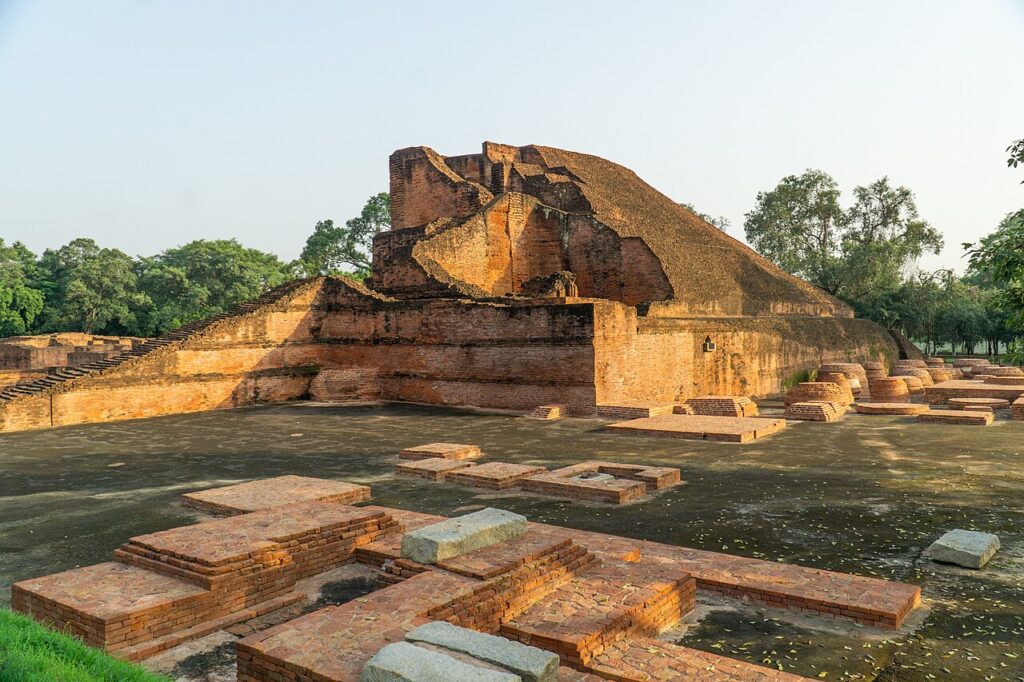
It also helps to remember the state’s history. Nalanda Mahavihara, now a UNESCO World Heritage site, was one of the world’s oldest universities. The Mauryan Empire rose from Magadha, with its capital at Pataliputra, today’s Patna. Bodh Gaya is where, according to Buddhist tradition, the Buddha attained enlightenment.
A Bihari is simply someone from Bihar. The label tells you where a person grew up, nothing more. More such pieces are in our listicles.
Frequently asked questions
What are the common stereotypes about Biharis?
The most common ones are surprise at good English, jokes about UPSC, Bhojpuri songs, litti chokha, exam cheating and guns. None of them describe the state as a whole.
What languages are spoken in Bihar?
Hindi is the official language and Urdu is an additional official language. Maithili, Bhojpuri, Magahi, Angika and Bajjika are major regional languages.
Why do Biharis say “hum” instead of “main”?
It is a common speech habit across Bihar and parts of Uttar Pradesh, often seen as polite. It is not meant to sound grand.
What is the population of Bihar?
The 2011 Census counted about 10.4 crore people. The 2023 Bihar caste survey counted about 13.07 crore.
Sources: Wikipedia: Bihar, Wikipedia: Maithili language, UNESCO: Nalanda Mahavihara.