

The most expensive food items in the world include bluefin tuna, beluga caviar, moose cheese, Japanese wagyu beef, Iberian ham, white truffles, Yubari King melons, Densuke black watermelons, Ayam Cemani chicken and saffron. They cost so much because they are rare, slow to produce, seasonal or tightly regulated, and buyers pay a premium for prestige.
Prices change with season, grade and country, and many record prices come from one-off auctions, not everyday shops. So treat this list as a guide to what drives luxury food prices, not a fixed price chart.
Most expensive food items: quick list
| Food | Origin | Why it is costly |
|---|---|---|
| Bluefin tuna | Japan (auction) | Scarce, prized for sushi |
| Beluga caviar | Caspian region | Endangered sturgeon, slow maturity |
| Moose cheese | Sweden | Very few milking moose |
| Wagyu beef | Japan | Strict breeding and grading |
| Iberian ham | Spain | Acorn-fed pigs, years of curing |
| White truffles | Italy | Wild, seasonal, cannot be farmed reliably |
| Yubari King melon | Japan | Limited regional harvest, gift culture |
| Densuke watermelon | Japan | Tiny harvest each year |
| Ayam Cemani | Indonesia | Rare all-black breed |
| Saffron | Iran, Kashmir, Spain | Hand-picked flower stigmas |
10 most expensive food items in the world
1. Bluefin tuna
Bluefin tuna is the most prized fish for sushi and sashimi. At Tokyo’s New Year tuna auction, the first fish of the year often sells for a huge sum as a publicity move. In 2019, sushi chain owner Kiyoshi Kimura paid 333.6 million yen, about $3 million at the time, for a single 278 kg bluefin.
 Also read10 Most Expensive Phones in the World in 2026, Ranked by Price
Overfishing has made wild bluefin scarce, which keeps everyday prices high too.
2. Beluga caviar
Caviar is salt-cured fish roe, and the most famous kind comes from the beluga sturgeon of the Caspian and Black Sea region. Beluga sturgeon are critically endangered and take many years to mature, so wild beluga caviar is heavily restricted in international trade.
Most caviar sold today comes from farmed sturgeon. The rarest varieties, such as pale caviar from albino sturgeon, sell for many times the price of regular caviar.
3. Moose cheese
Moose cheese is made at Elk House (Algens Hus), a small farm in Bjurholm, northern Sweden. Only a handful of moose are milked, only during a short season, and each milking can take a long time. The farm produces a very small quantity each year, which is why the cheese is so rare and so pricey.
4. Wagyu beef
Wagyu means Japanese cattle. The best known type is Kobe beef from Tajima cattle raised in Hyogo prefecture. The meat is known for heavy marbling, which makes it soft and rich. Japan grades wagyu strictly, and A5 is the top grade.
Genuine Japanese wagyu is expensive because of controlled breeding, long rearing and limited exports. Much of the wagyu sold in other countries is crossbred.
5. Dry-cured Iberian ham
Jamon iberico de bellota comes from black Iberian pigs in Spain and Portugal that roam oak forests and feed on acorns before slaughter. The legs are salted and cured for up to three years or more.
A full leg can cost hundreds of euros, and the best labels cost far more.
6. White truffles
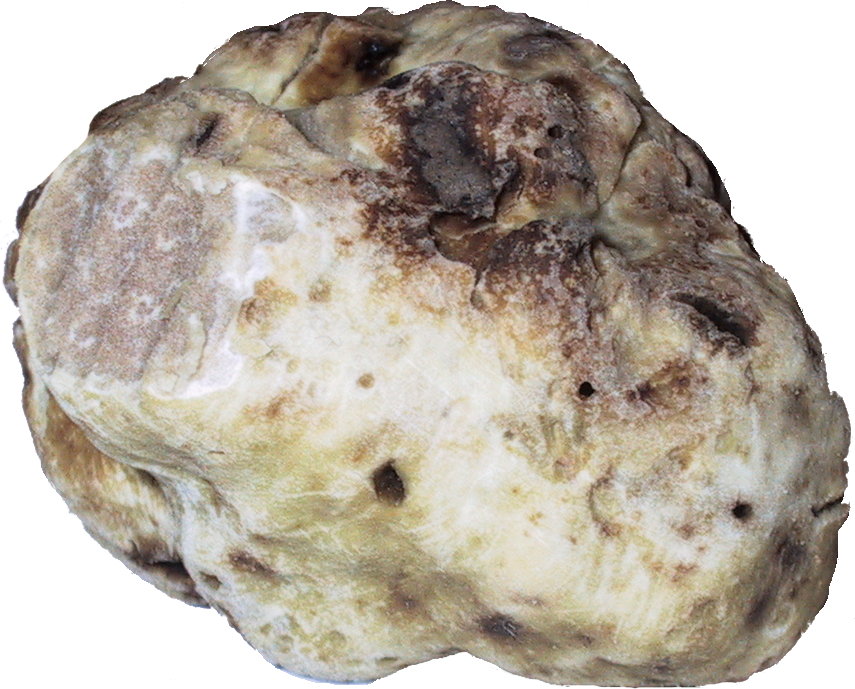
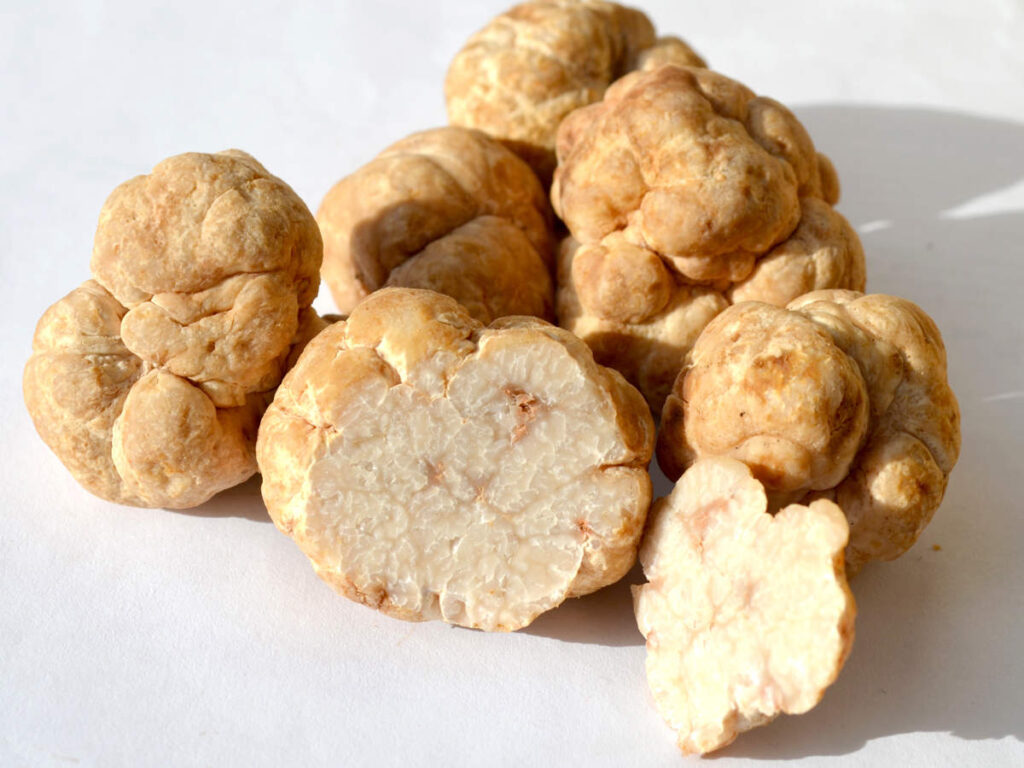
White truffles grow wild underground near tree roots, mainly in the Piedmont region of Italy around Alba. They are found with trained dogs and are available for only a few months in autumn. Attempts to farm them have had little success, and a poor season can push prices sharply up.
Chefs shave them raw over pasta, risotto and eggs. Each autumn, the Alba truffle fair and charity auctions make headlines for record prices.
7. Yubari King melons
Yubari King melons are grown only around the town of Yubari in Hokkaido, Japan. They are sold as luxury gifts, and the first melons of the season are auctioned. In 2019 a pair sold for 5 million yen at auction.
Note: this replaces a repeated wagyu entry in our earlier version of this list.
8. Densuke black watermelon
Densuke watermelons are also from Hokkaido. They have a dark, almost black rind and a crisp, sweet inside. Only a small number are grown each year, and in 2008 one sold for 650,000 yen at auction.
9. Ayam Cemani black chicken
Ayam Cemani is a chicken breed from Indonesia that is black inside and out: feathers, skin, beak, even organs. This is caused by a genetic condition called fibromelanosis. The birds are rare outside Indonesia and are bought more by breeders and collectors than for the table.
10. Saffron
Saffron is the dried stigma of the crocus flower. Each flower has only three stigmas, and they are picked by hand, so it takes around 150,000 flowers to make one kilogram. That is why it is the world’s most expensive spice by weight.
Iran grows most of the world’s saffron. India’s Kashmir saffron, grown around Pampore, received a GI tag in 2020 and is valued for its colour and aroma.
Is expensive food worth it?
For most people, these foods are a once-in-a-lifetime experience, not a regular buy. Taste is only part of the price. Scarcity, labour, transport and brand value drive much of it. If you want to try one, saffron and Kashmiri produce are the easiest to find in India at fair prices. Look for certified sellers, as fakes are common.
For more lists like this, browse our listicles and the latest celebrity stories.
Frequently asked questions
What is the most expensive food in the world?
There is no single answer, as prices change by grade and auction. Bluefin tuna, white truffles and rare caviar are usually at the top, and saffron is the costliest spice by weight.
Why is saffron so expensive?
Each crocus flower gives only three stigmas, picked by hand. About 150,000 flowers are needed for one kilogram.
Which expensive food is grown in India?
Kashmiri saffron, grown around Pampore, is one of India’s most valuable crops and has a GI tag.
Why is Japanese wagyu so expensive?
Strict breeding rules, long rearing periods, careful feeding and limited exports. The top A5 grade has the most marbling and the highest price.
Sources: Saffron, Wikipedia, Wagyu, Wikipedia, Yubari King, Wikipedia, Ayam Cemani, Wikipedia.