

The best offbeat hill stations in Karnataka are BR Hills, Kemmanagundi, Agumbe, Kodachadri, Male Mahadeshwara Betta, Kakkabe and Kudremukh, along with the better-known Coorg, Chikmagalur and Nandi Hills. Most are best visited between October and February or March, after the monsoon and before the summer heat.
Karnataka’s stretch of the Western Ghats is full of coffee estates, rainforest and quiet hill towns that see a fraction of Ooty’s crowds. We have updated our list with corrected heights, current facts and simple trip notes, so you can plan a weekend escape from Bengaluru or a longer monsoon-season trip.
Offbeat hill stations in Karnataka: quick guide
| Hill station | District | Best time | Known for |
|---|---|---|---|
| BR Hills | Chamarajanagar | October to May | Wildlife sanctuary, temple |
| Coorg | Kodagu | September to June | Coffee, waterfalls |
| Kemmanagundi | Baba Budan range | October to May | Hebbe Falls, Z Point |
| Agumbe | Shivamogga | October to February | Rainforest, king cobras, sunsets |
| Chikmagalur | Chikmagalur | September to April | Coffee estates |
| Kodachadri | Western Ghats | September to January | Treks, natural heritage site |
| Male Mahadeshwara Betta | Chamarajanagar | October to March | Shaivite pilgrimage |
| Kakkabe | Kodagu | January to April, July to December | Rainforest, orchids, estates |
| Nandi Hills | Chikkaballapur | September to May | Sunrise views near Bengaluru |
| Kudremukh | Chikmagalur | October to February | National park, peak trek |
10 offbeat hill stations in Karnataka
1. BR Hills (Biligiriranga Hills)
Near Chamarajanagar in southern Karnataka, BR Hills is home to the Biligiri Rangaswamy Temple Wildlife Sanctuary, which links the Eastern and Western Ghats.
The nearby Cauvery and Kapila rivers offer rafting, fishing and coracle rides. Go between October and May.
2. Coorg (Kodagu)
Coorg is the least offbeat name here, but it earns its place. The district is known for green hills, waterfalls, forests and coffee, tea and orange plantations. Popular stops include Irpu Falls, the Omkareshwara Temple and Brahmagiri.
The best time is September to June. If you want quiet, pick a coffee estate homestay over a town hotel.
3. Kemmanagundi
Kemmanagundi sits in the Baba Budan range. Locals believe its waters help with ailments such as colds and skin problems. The main sights are Hebbe Falls and the Z Point viewpoint, and the Bhadra Tiger Reserve is in the same region.
Visit between October and May for clear views.
4. Agumbe
Agumbe, in Thirthahalli taluk of Shivamogga district, is called the Cherrapunji of South India because of its heavy rainfall. It sits at about 660 metres above sea level. Our earlier version gave a much higher figure, which was wrong.
The Agumbe Rainforest Research Station, founded in 2005 by herpetologist Romulus Whitaker, has made the village famous for king cobras. Sunset Point on the Udupi road offers views of the sun setting over the Arabian Sea on clear evenings. Many episodes of the TV serial Malgudi Days (1985) were shot here, which fans of classic Indian TV series will enjoy. July is the wettest month, so October to February is the comfortable window.
5. Chikmagalur
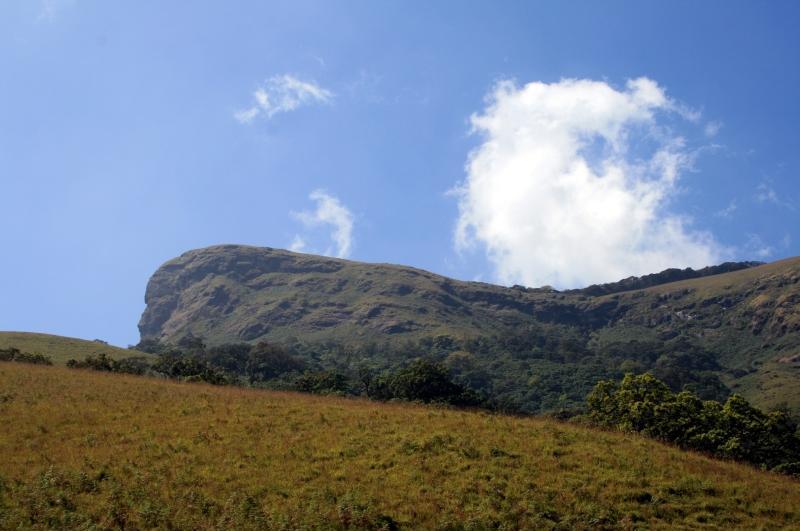
Chikmagalur is Karnataka’s coffee country, sitting at the base of the Mullayanagiri range. It is the source of the Yagachi river, and the region is widely described as the place where coffee was first grown in India.
Plan a visit between September and April. Combine it with Kemmanagundi and Kudremukh for a longer loop through the district.
6. Kodachadri
Kodachadri is a forested peak that the Karnataka government has declared a natural heritage site. It is popular with trekkers, and nearby sights include the Mookambika Wildlife Sanctuary, the Sarvajna Peetha shrine and Nagara Fort.
Go between September and January, when the trails are green but drier.
7. Male Mahadeshwara Betta
East of Kollegal in Chamarajanagar district, MM Hills lies between the Palar and Cauvery rivers. It is an important Shaivite pilgrimage centre, so expect devotees rather than tourists.
The best time is October to March.
8. Kakkabe
Kakkabe in Kodagu district is a quiet base for rainforest walks, tea and coffee estates, wild orchids and rock climbing.
Visit between January and April or July to December. We have removed an unverified honey-production claim from our earlier version.
9. Nandi Hills
About 60 km from Bengaluru in Chikkaballapur district, Nandi Hills rises to around 1,478 metres. It is the classic sunrise drive for Bengaluru residents, and it is popular with cyclists, trekkers and picnickers. Rivers including the Arkavathy, Palar and Penna are traditionally said to rise from these hills.
Weekend crowds are heavy. In 2022 the district administration introduced weekend passes with caps on parking, sold at the base and on the KSTDC website, so check the current rules before you drive up.
10. Kudremukh
Kudremukh means horse-faced in Kannada, after the shape of one side of the mountain. The peak rises to about 1,894 metres in Chikmagalur district, and the area became Kudremukh National Park in 1987.
The region was once known for iron ore mining. The mining lease lapsed in 1999 and the public sector miner KIOCL shut operations there in 2006 over environmental concerns. Today the Forest Department regulates treks to the peak, rated moderate to difficult, with homestays and dormitories at the base. Go between October and February.
Tips for planning your trip
Most of these places have limited public transport, so a car or bike gives you the most freedom. Book homestays early for long weekends. Carry rain gear even outside the monsoon, especially in Agumbe and Kodagu, and respect forest department rules on treks. For more lists like this, see our listicles.
Frequently asked questions
Which is the most offbeat hill station in Karnataka?
Kakkabe, Kodachadri and Kemmanagundi see far fewer visitors than Coorg or Chikmagalur and are good picks for a quiet trip.
Which hill station is closest to Bengaluru?
Nandi Hills, about 60 km away, is the nearest and works as a half-day trip.
What is the best time to visit Karnataka hill stations?
October to February suits most of them. Agumbe and Kodagu get very heavy rain in the monsoon, with July the wettest month in Agumbe.
Why is Agumbe called the Cherrapunji of South India?
Because it gets some of the heaviest rainfall in South India. It is also known for king cobras and its sunset point.
Sources: Wikipedia: Agumbe, Wikipedia: Kudremukh, Wikipedia: Nandi Hills.