
Israel voted on 27 October in its first general election since the 7 October 2023 attacks. If the exit polls are right, nobody has won.
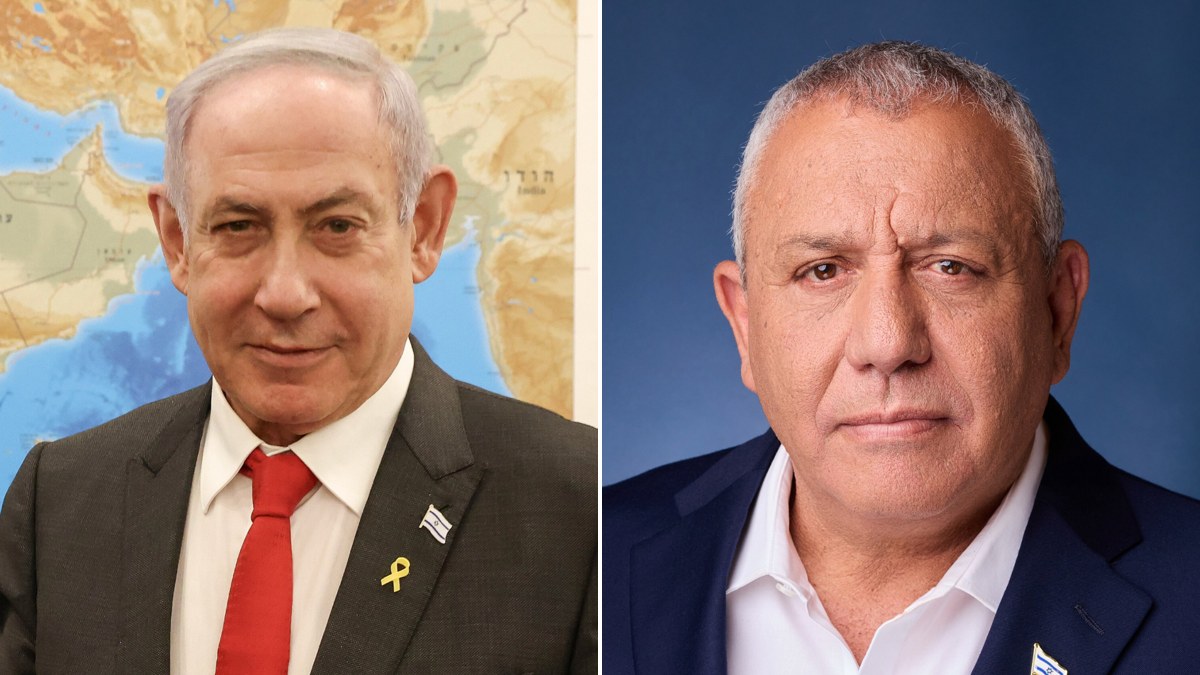
Neither Prime Minister Benjamin Netanyahu’s bloc nor the opposition bloc led by former army chief Gadi Eisenkot is near the 61 seats needed to rule. A record number of seats for Arab parties could now shape what comes next.
What the exit polls say
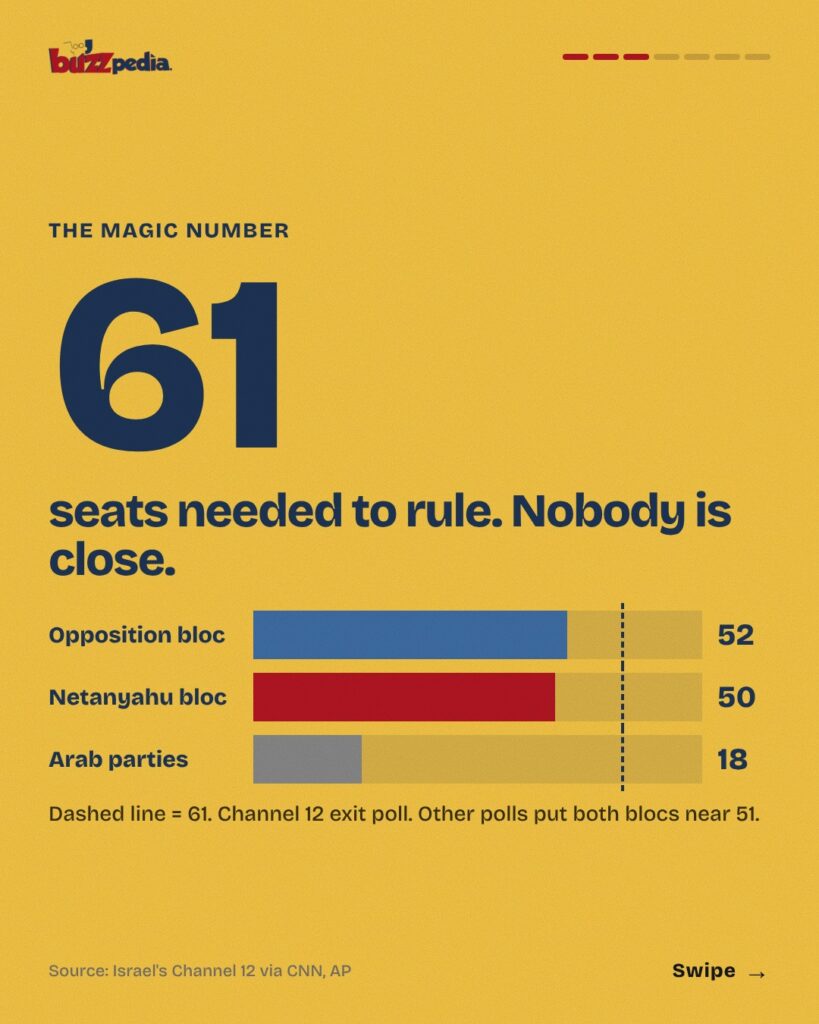
Israel’s Channel 12 exit poll, as reported by CNN, projects:
 Also readDiljit Dosanjh Delhi Concert On for 30 Oct After Police U-Turn
- Opposition bloc (Eisenkot): 52 seats
- Netanyahu bloc: 50 seats
- Arab parties: a record 18 seats
Other exit polls differ slightly. AP reported both blocs at around 51, while Al Jazeera put Eisenkot’s bloc at 52 or 53. These are projections, not results.
Turnout crossed 77%, the highest since 1999, according to the Central Elections Committee.
The two camps
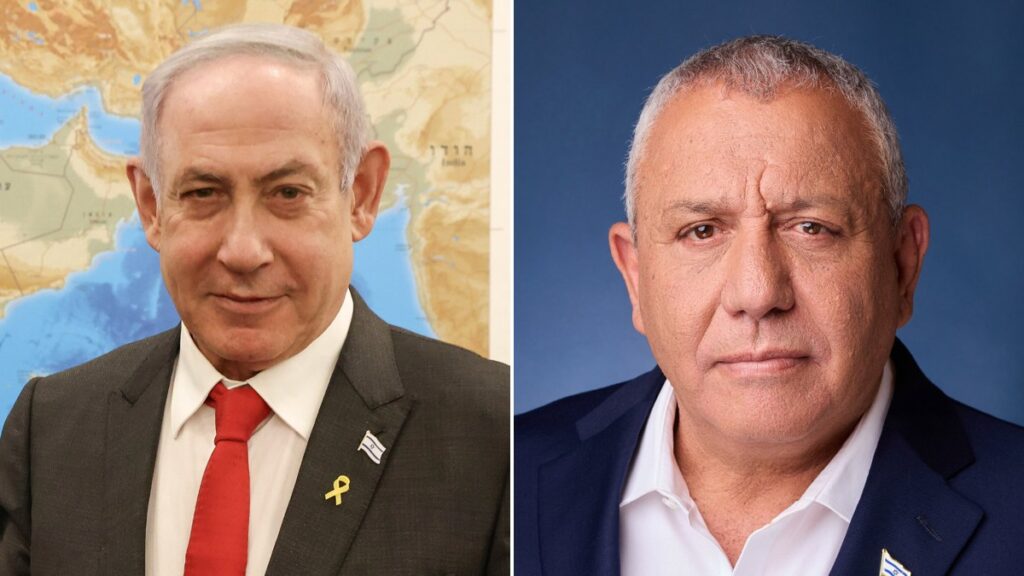
Benjamin Netanyahu is Israel’s longest-serving prime minister. His bloc won 64 seats in 2022. After the exit polls, he said he plans to form a right-wing government, according to the Times of Israel.
Gadi Eisenkot was chief of staff of the Israeli army from 2015 to 2019 and now leads the Yashar party. His son was killed fighting in Gaza. He said voters had “decided in favor of change” and vowed to form a new government.
Why the 18 Arab seats matter
With neither bloc at 61, the Arab parties hold a key position. Eisenkot’s easiest path to a majority runs through Arab-led parties, which is politically difficult in Israel. Netanyahu had warned during the campaign that Arab parties could decide the election.
There is one precedent. In 2021, Ra’am became the first Arab party to join an Israeli government, the coalition led by Naftali Bennett and Yair Lapid.
What happens next
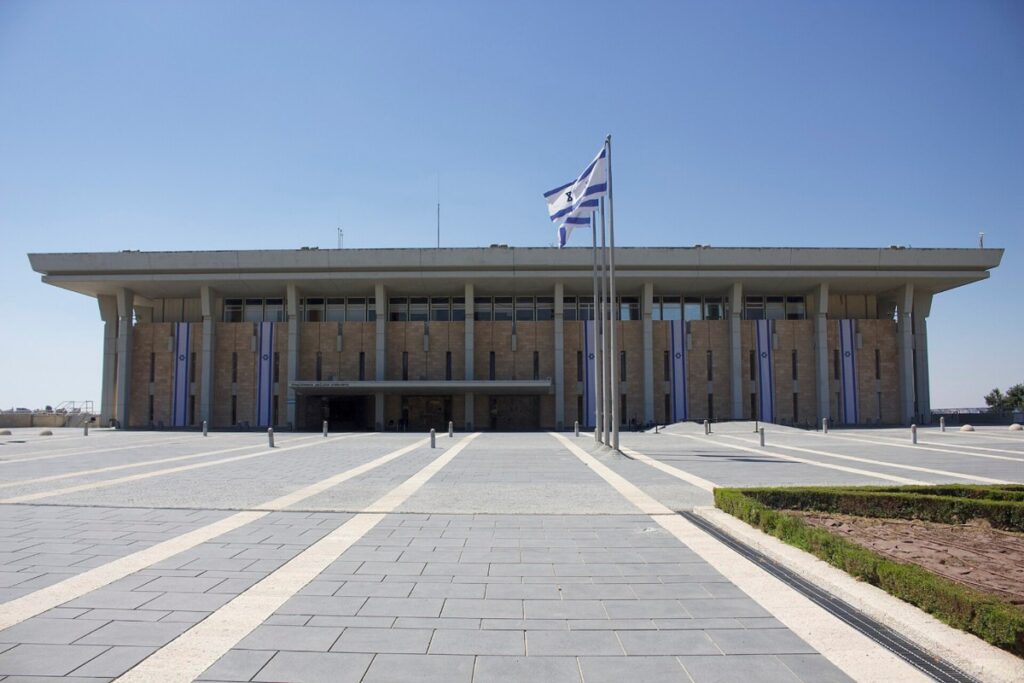
- 4 November: official results are confirmed by the Central Elections Committee.
- Coalition talks: President Isaac Herzog consults party leaders and asks the one most likely to win majority support to form a government. That leader gets 28 days, with up to 14 more if needed.
- No deal: if nobody reaches 61, Israel could go to another election, possibly early next year.
Until a new government is sworn in, Netanyahu remains caretaker prime minister.
FAQs
Who won the Israel election 2026?
No one yet. Exit polls show neither Netanyahu’s bloc nor Eisenkot’s opposition bloc reaching the 61 seats needed for a majority. Official results are due on 4 November.
How many seats are needed to form a government in Israel?
61 of the 120 seats in the Knesset. No single party has ever won a majority on its own, so governments are always coalitions.
Who is Gadi Eisenkot?
A former chief of staff of the Israeli army (2015 to 2019) who now leads the Yashar party and the opposition bloc.
What happens if no one forms a government?
If no leader can put together 61 seats within the time allowed, Israel could hold another election.
Sources: Israel’s Channel 12 via CNN, AP, Al Jazeera, Times of Israel. Figures are exit poll projections and may change with the final count.