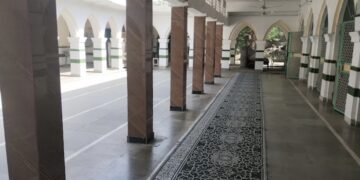


India has 45 UNESCO World Heritage Sites as of 2026: 37 cultural, 7 natural and 1 mixed. The latest is the Ancient Buddhist Site of Sarnath, added in July 2026. For a bucket list, start with the Churches and Convents of Goa, the Mountain Railways, Mumbai’s Art Deco district, Champaner-Pavagadh and the Western Ghats.
This list was first published for World Heritage Week, which India marks from 19 to 25 November. We have updated it for 2026 with the newest sites and the current count. India now ranks sixth in the world for the number of World Heritage Sites.
Quick facts: UNESCO World Heritage Sites in India
| Detail | Information |
|---|---|
| Total sites (2026) | 45 |
| Cultural / natural / mixed | 37 / 7 / 1 |
| Mixed site | Khangchendzonga National Park, Sikkim |
| First sites (1983) | Ajanta Caves, Ellora Caves, Agra Fort, Taj Mahal |
| Latest site | Ancient Buddhist Site of Sarnath (2026) |
| World rank | Sixth |
UNESCO World Heritage Sites in India to tick off your bucket list
1. Churches and Convents of Goa (1986)
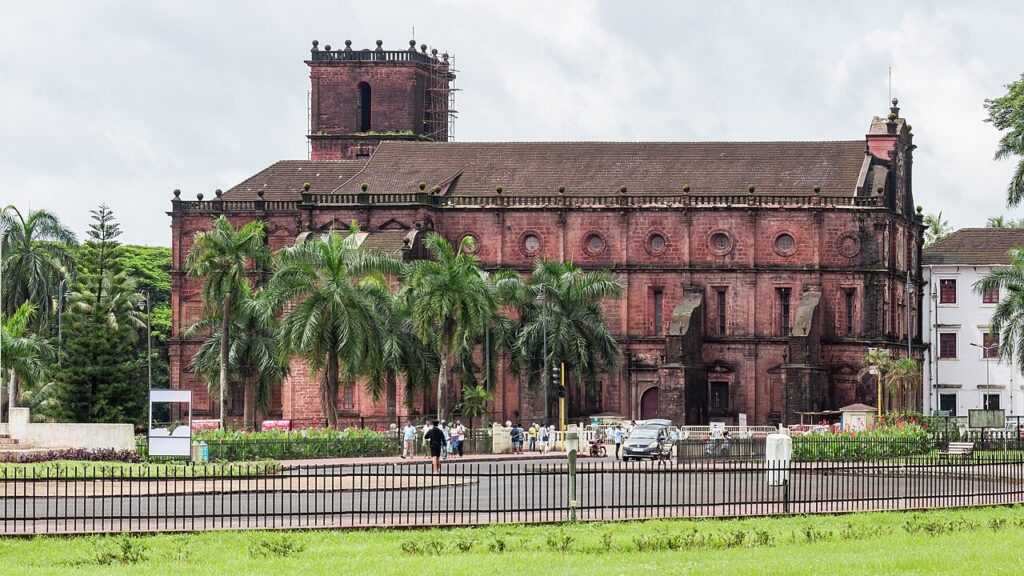
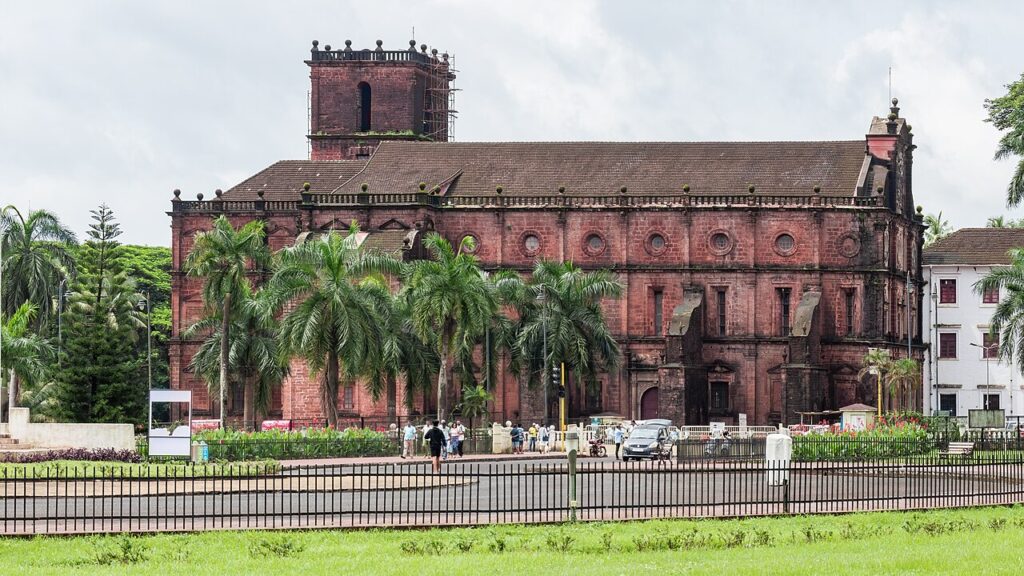
Old Goa was once the capital of Portuguese India, and its churches and convents were inscribed in 1986. The best known is the Basilica of Bom Jesus, which holds the remains of St Francis Xavier.
The group also shows Manueline, Mannerist and Baroque styles in buildings such as the Church of Our Lady of the Rosary and the Church of St Cajetan. Do not miss the ruined St Augustine Tower, all that remains of a once large church. Most of these buildings sit within walking distance of each other, so a half day is enough for the main sights.
2. Mountain Railways of India (1999, 2005, 2008)
This single site covers three hill railways built between the mid 19th and early 20th centuries. The Darjeeling Himalayan Railway was listed first in 1999. The Nilgiri Mountain Railway was added in 2005 and the Kalka-Shimla Railway in 2008.
All three still carry passengers. A ride on the toy train is the easiest way to see the engineering that got these lines up steep slopes, and the views are the reason most people book.
3. Victorian Gothic and Art Deco Ensembles of Mumbai (2018)
Inscribed in 2018, this site covers the buildings around the Oval Maidan in south Mumbai. On one side stand the Victorian Gothic public buildings of the 19th century. On the other are the Art Deco apartment blocks of the 20th century, many of them along Marine Drive.
The Mumbai version of Art Deco mixes Indian design elements with the style, which is why it is sometimes called Indo Deco. An evening walk from the Oval to Marine Drive covers most of it for free.
4. Champaner-Pavagadh Archaeological Park (2004)
Near Vadodara in Gujarat, this park holds the remains of a pre-Mughal Islamic city, along with forts, mosques, temples and stepwells. It was inscribed in 2004.
The architecture blends Hindu and Muslim styles. The Pavagadh hill also draws pilgrims, so expect crowds on festival days.
5. Western Ghats (2012)
The Western Ghats run for about 1,600 km along India’s western coast, through Gujarat, Maharashtra, Goa, Karnataka, Kerala and Tamil Nadu. UNESCO inscribed 39 component sites in seven clusters in 2012.
The range is one of the world’s biodiversity hotspots and holds nearly 30% of India’s plant and animal species. The monsoon months are the greenest, but treks are easier after the rains.
New UNESCO sites in India (2023 to 2026)
India has added a new site every year since 2023. These are worth adding to your list if you have already covered the classics.
6. Ancient Buddhist Site of Sarnath (2026)
Sarnath, about 8 km from Varanasi in Uttar Pradesh, became India’s 45th World Heritage Site in July 2026 at the 48th session of the World Heritage Committee. It is where the Buddha is believed to have given his first sermon. Sarnath had been on India’s tentative list since 1998.
7. Maratha Military Landscapes of India (2025)
Inscribed in July 2025, this site covers 12 forts. Eleven are in Maharashtra, including Shivneri, Raigad, Rajgad, Pratapgad, Panhala, Lohagad and the sea forts of Sindhudurg, Vijaydurg, Suvarnadurg and Khanderi, along with Salher. The twelfth is Gingee Fort in Tamil Nadu.
8. Moidams of the Ahom Dynasty (2024)
The Moidams, the mound burial system of the Ahom Dynasty in Assam, were inscribed in 2024. In 2023, Santiniketan in West Bengal and the Sacred Ensembles of the Hoysalas in Karnataka were added.
Tips for planning a heritage trip
Group sites by region. Goa and the Western Ghats work as one trip, as do Mumbai and the Maratha forts. Varanasi and Sarnath fit easily into a single day. Check timings and ticket rules on the Archaeological Survey of India website before you go, as some sites close on certain days.
For more travel and culture lists, browse our listicles section and the celebs section for star travel stories.
Frequently asked questions
How many UNESCO World Heritage Sites are there in India in 2026?
India has 45 sites: 37 cultural, 7 natural and 1 mixed. Sarnath became the 45th in July 2026.
Which is the latest UNESCO World Heritage Site in India?
The Ancient Buddhist Site of Sarnath near Varanasi, inscribed in July 2026. Before that, the Maratha Military Landscapes were added in 2025.
Which were the first UNESCO sites in India?
Ajanta Caves, Ellora Caves, Agra Fort and the Taj Mahal were inscribed in 1983.
Which state has the most UNESCO sites in India?
Maharashtra has several, including Ajanta, Ellora, the Mumbai ensembles and 11 of the 12 Maratha forts. Check the official UNESCO list for the full state-wise breakdown.
Sources: List of World Heritage Sites in India (Wikipedia), Outlook Traveller, Maratha Military Landscapes (Wikipedia).